Category: Glazing

Raw glazing

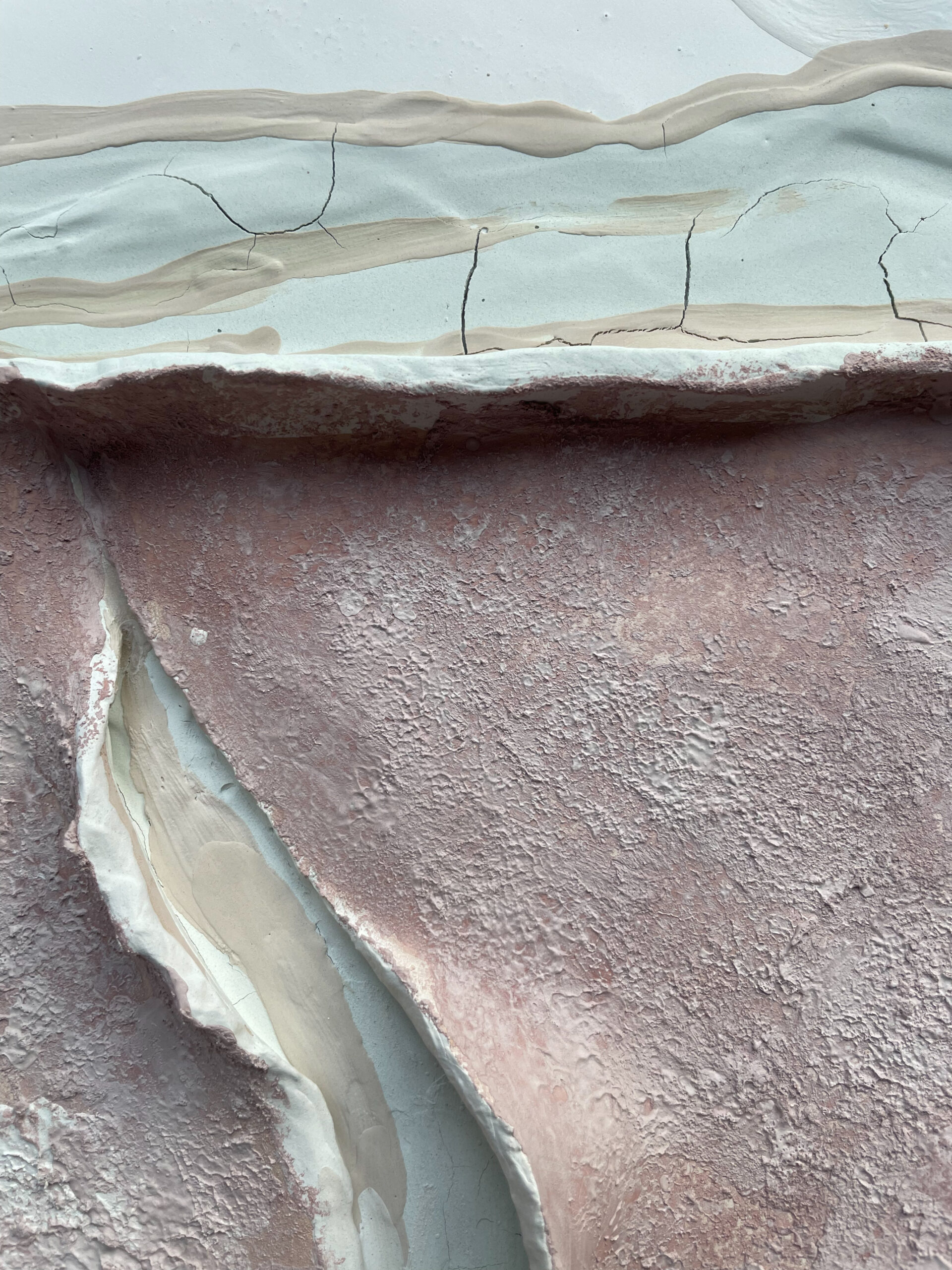
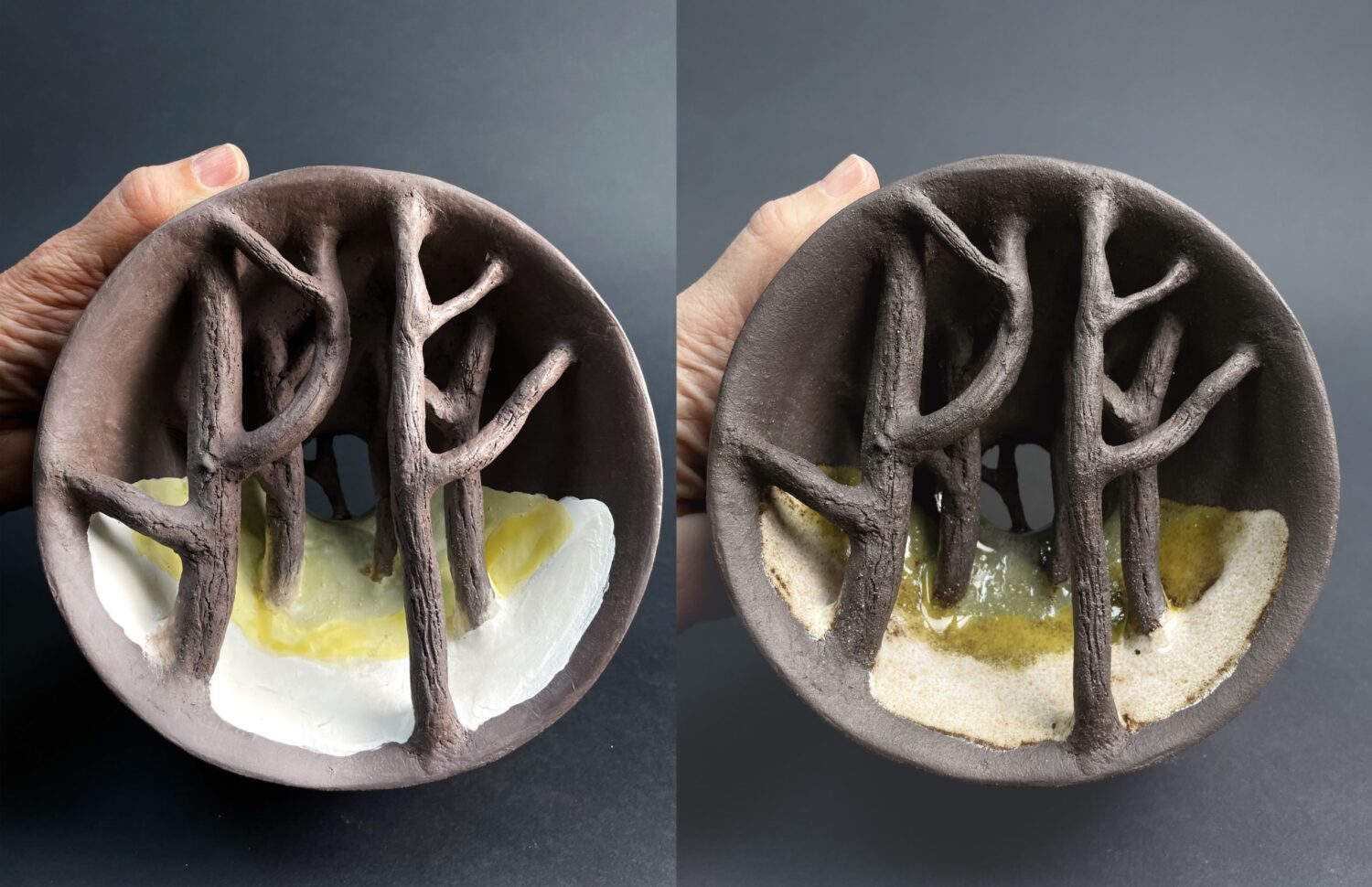
If you want to save money….you can experiment with raw glazing. This means that you leave out the bisque firing and apply the glaze on leatherhard clay, and fire it in one go. It is not easy to raw glaze on a dark clay body as the dark clay will react with the glaze, so you have to experiment. In this case it worked surprisingly well. The glaze is spectrum one stroke: https://www.spectrumglazes.com/product-guide/600-series-one-stroke-underglazes/
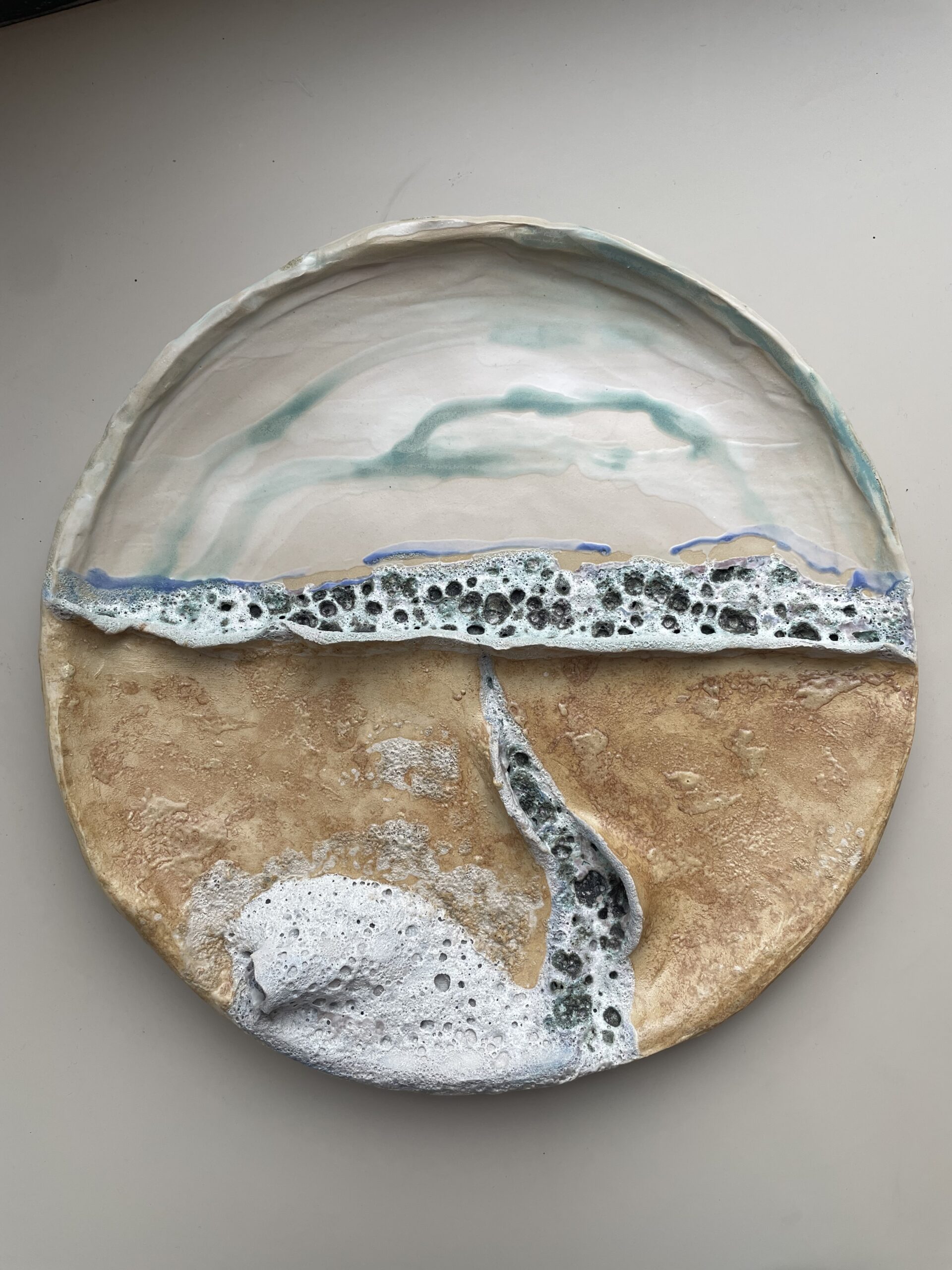
Crater Glaze

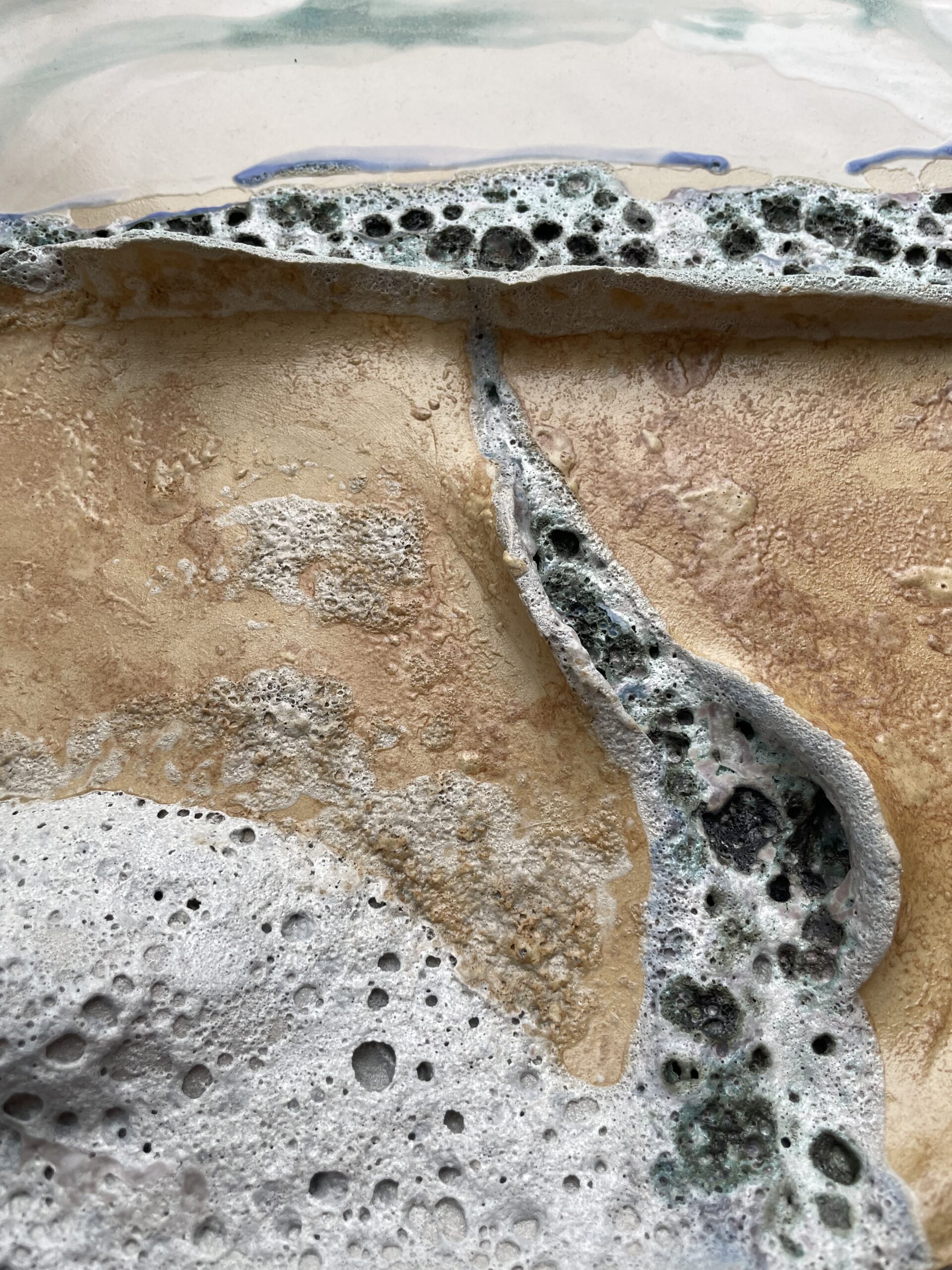
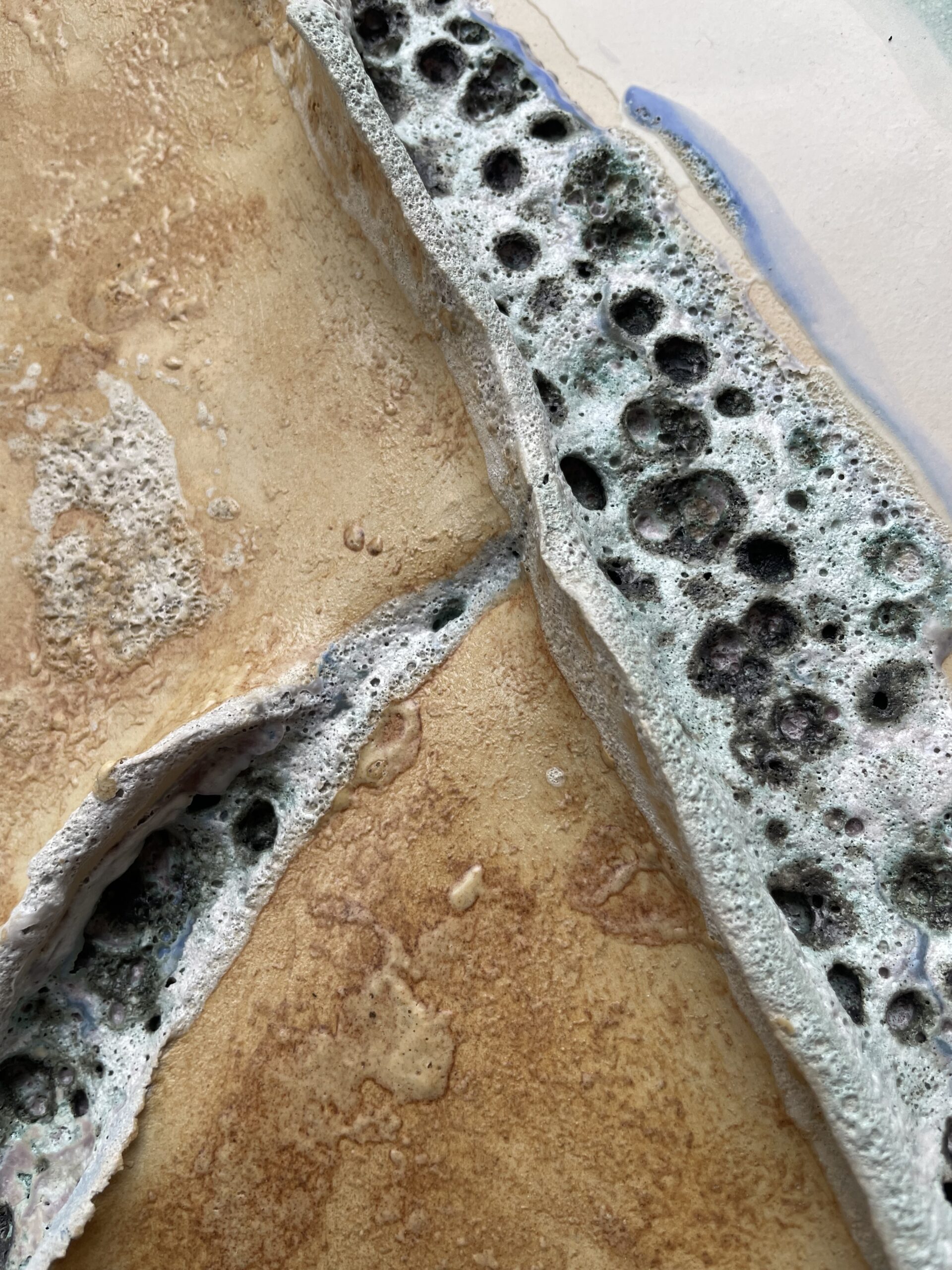
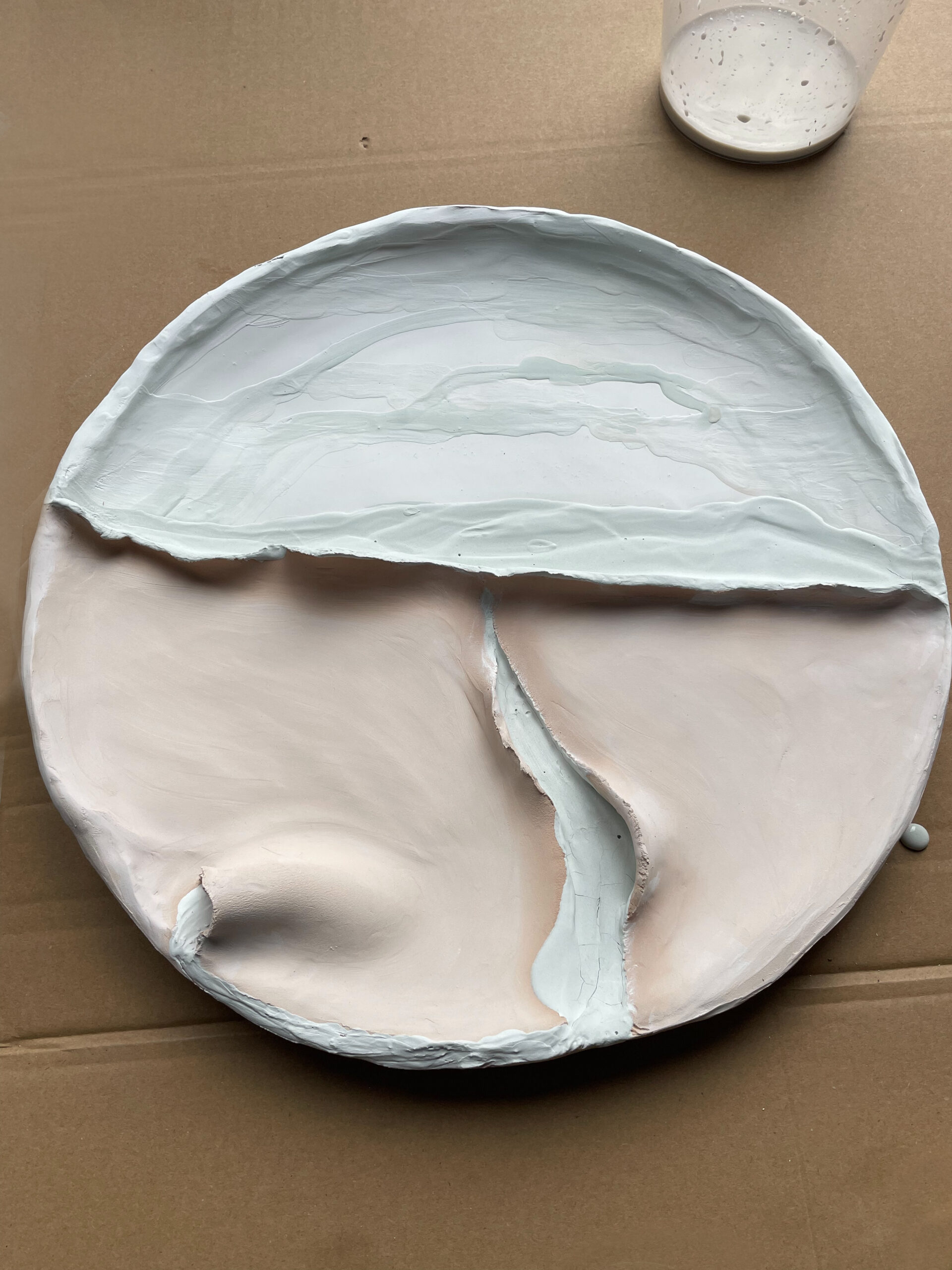
When I read the book of Louiza Taylor “Glazes for the contemporary maker”, I was immediately fascinated by her crater glazes (p.140). They are a perfect fit for my landscapes.
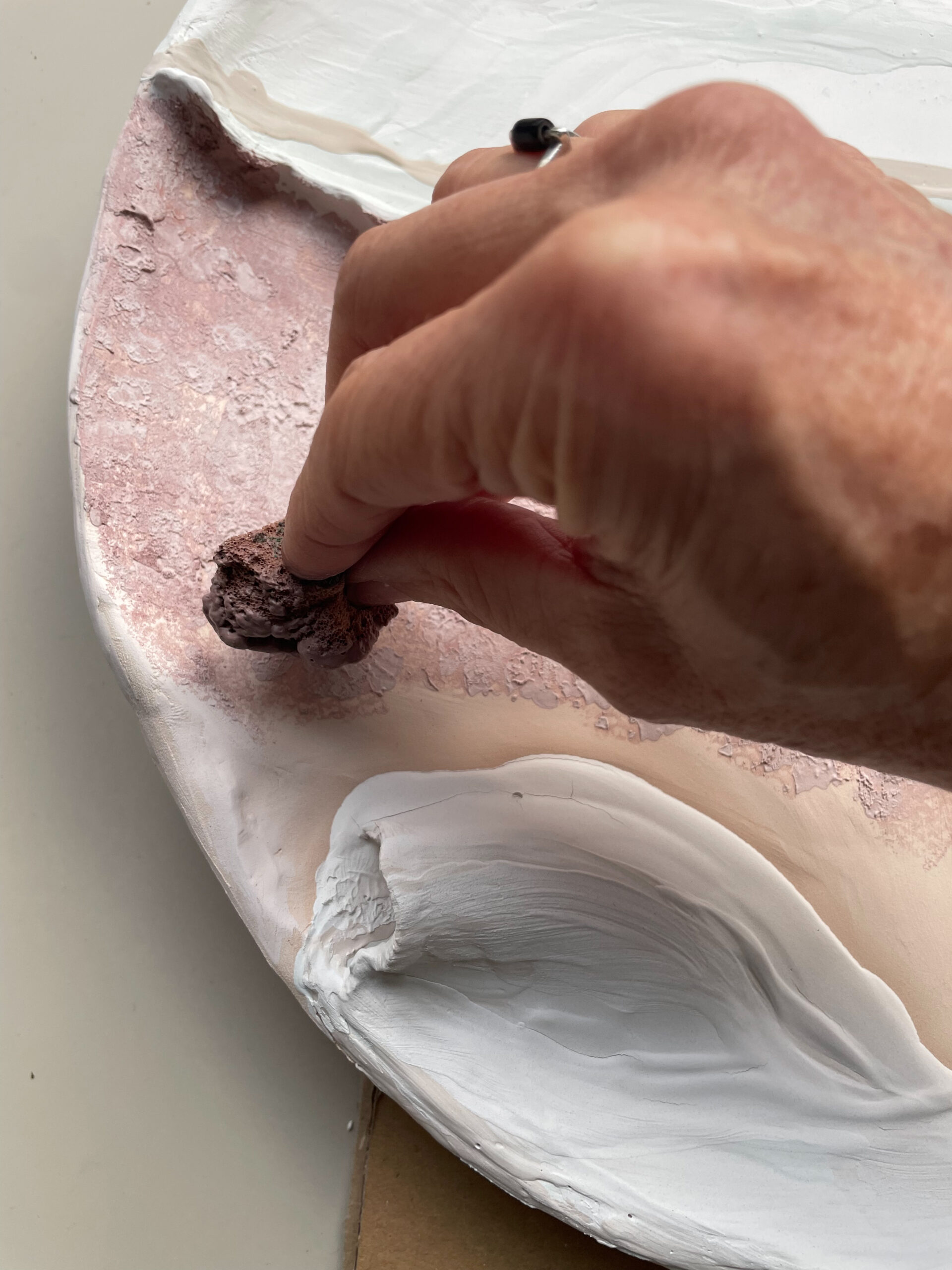
After I made some testtiles I experimented on a larger piece and combined semi-matte glaze with crater glaze. By using a sponge for the brown parts I created a more natural feeling. 

Link to her site: https://www.louisataylorceramics.co.uk/

Fired at 1220 degrees Celsius, this is the result. Click on the image to enlarge.

It is all about testing

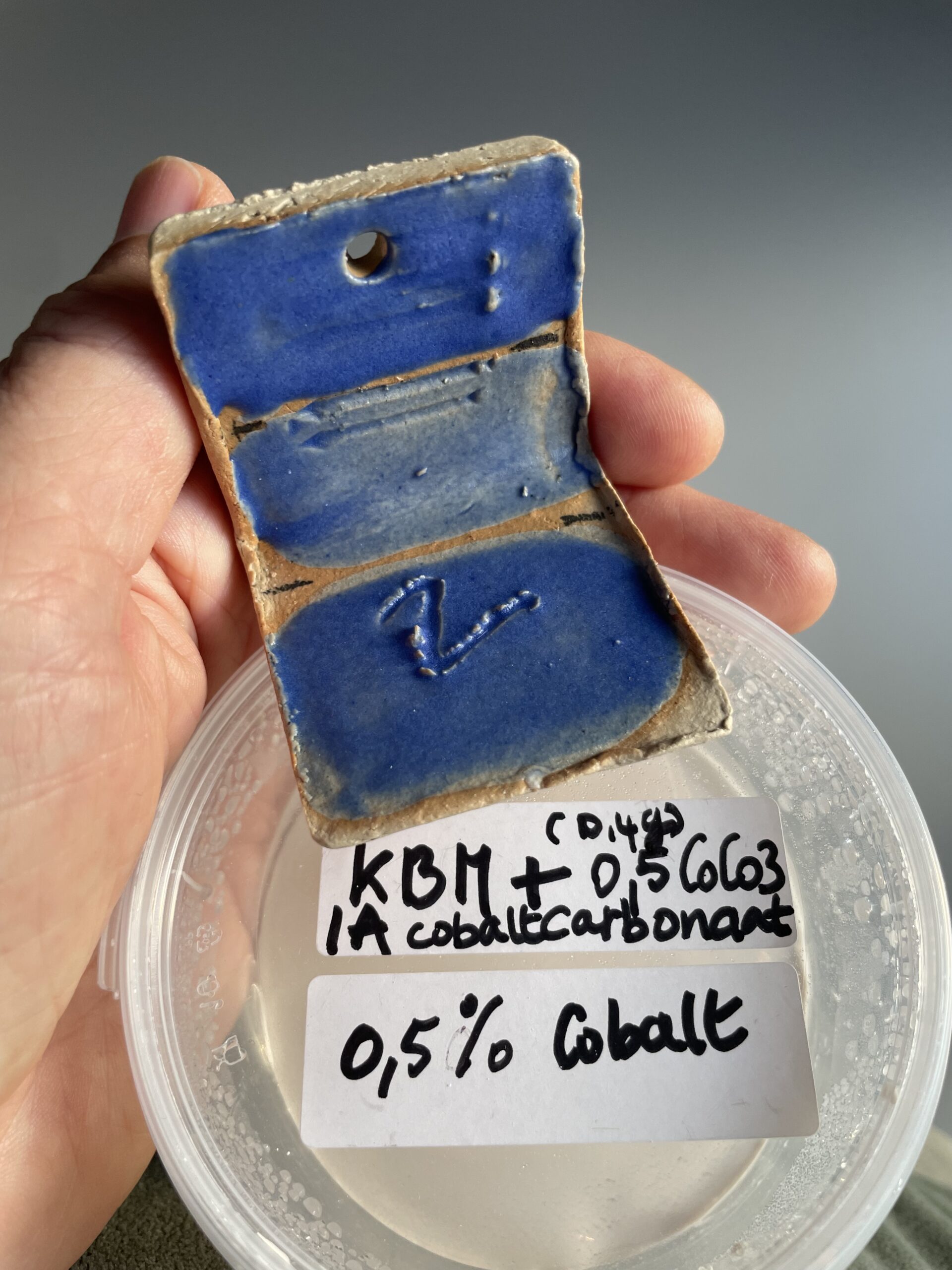
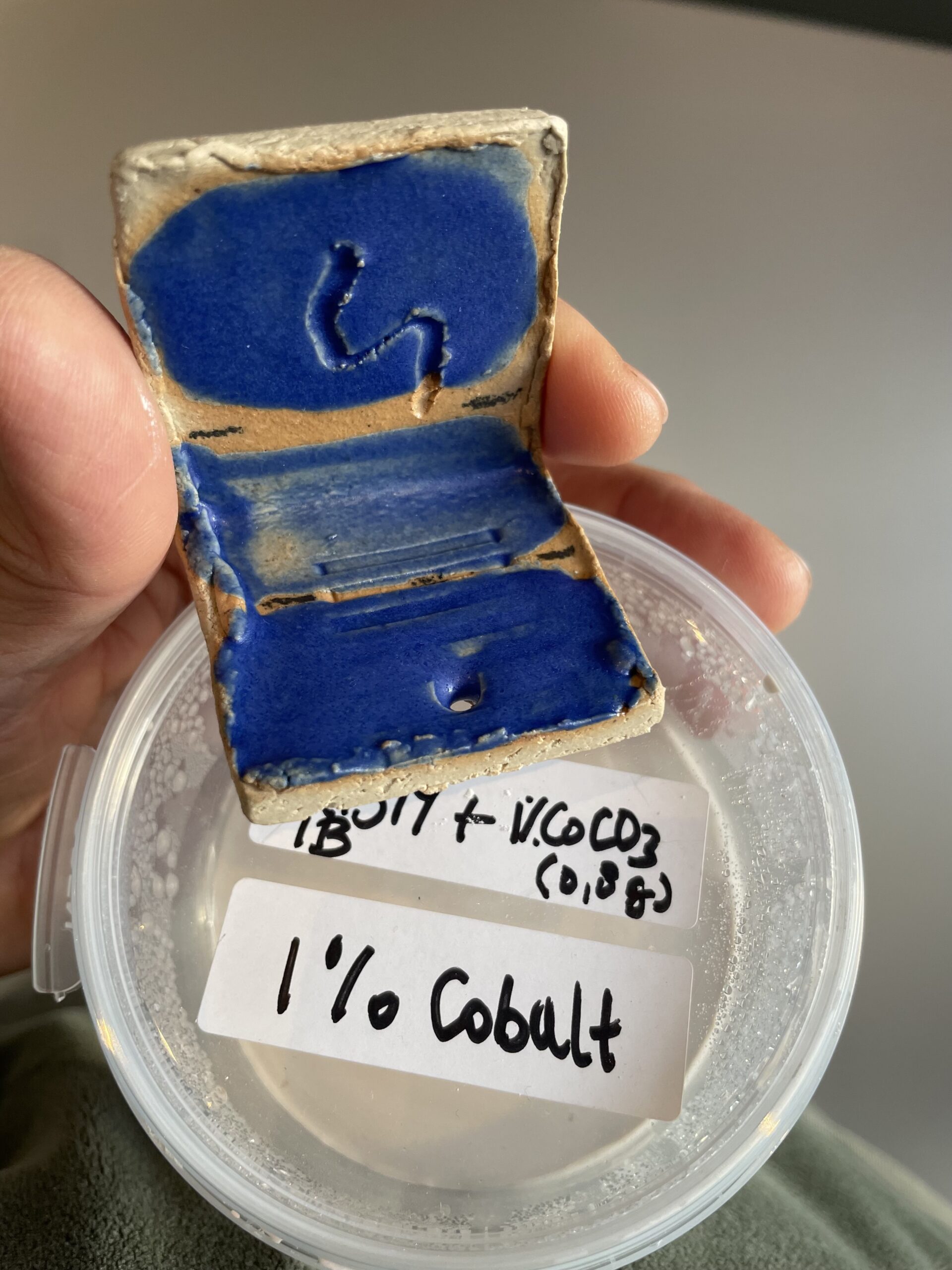
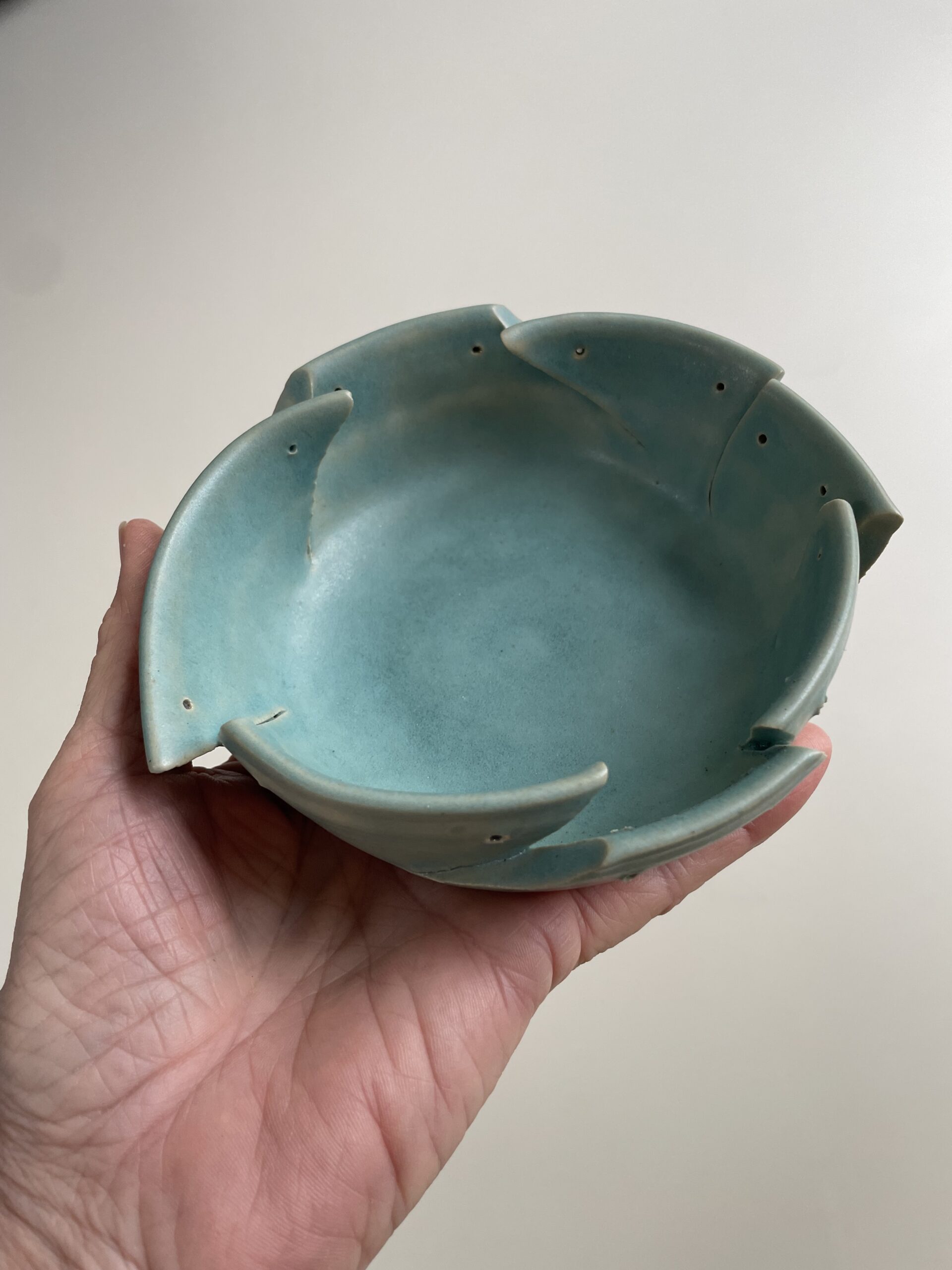
Making your own glazes is a steep learning curve. I finally made a wonderful blue and green matte glaze from an adjusted recipe of Katz Burke. 

For the basic recipe: https://glazy.org/recipes/27838. You can then add any colorant. 

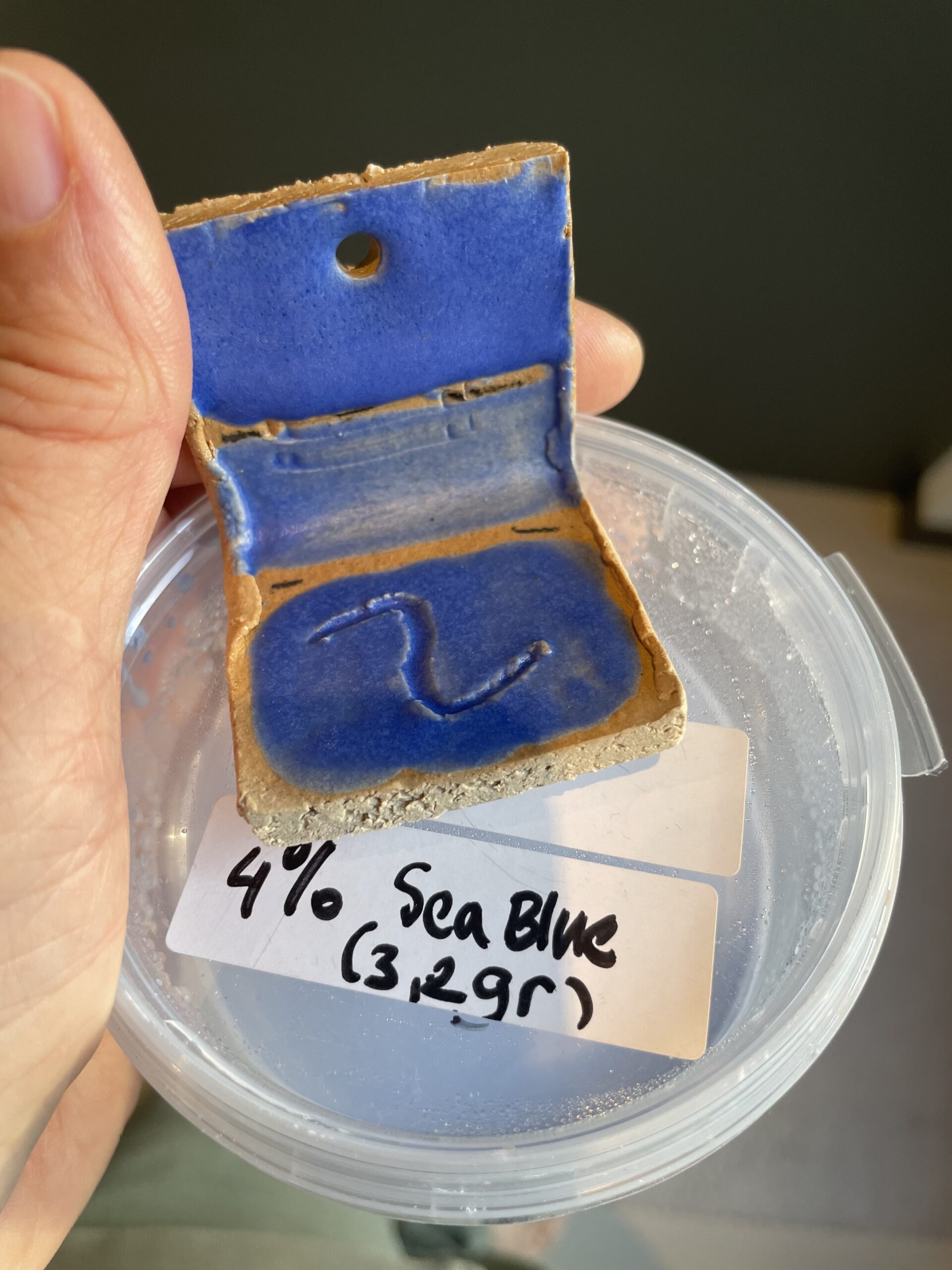
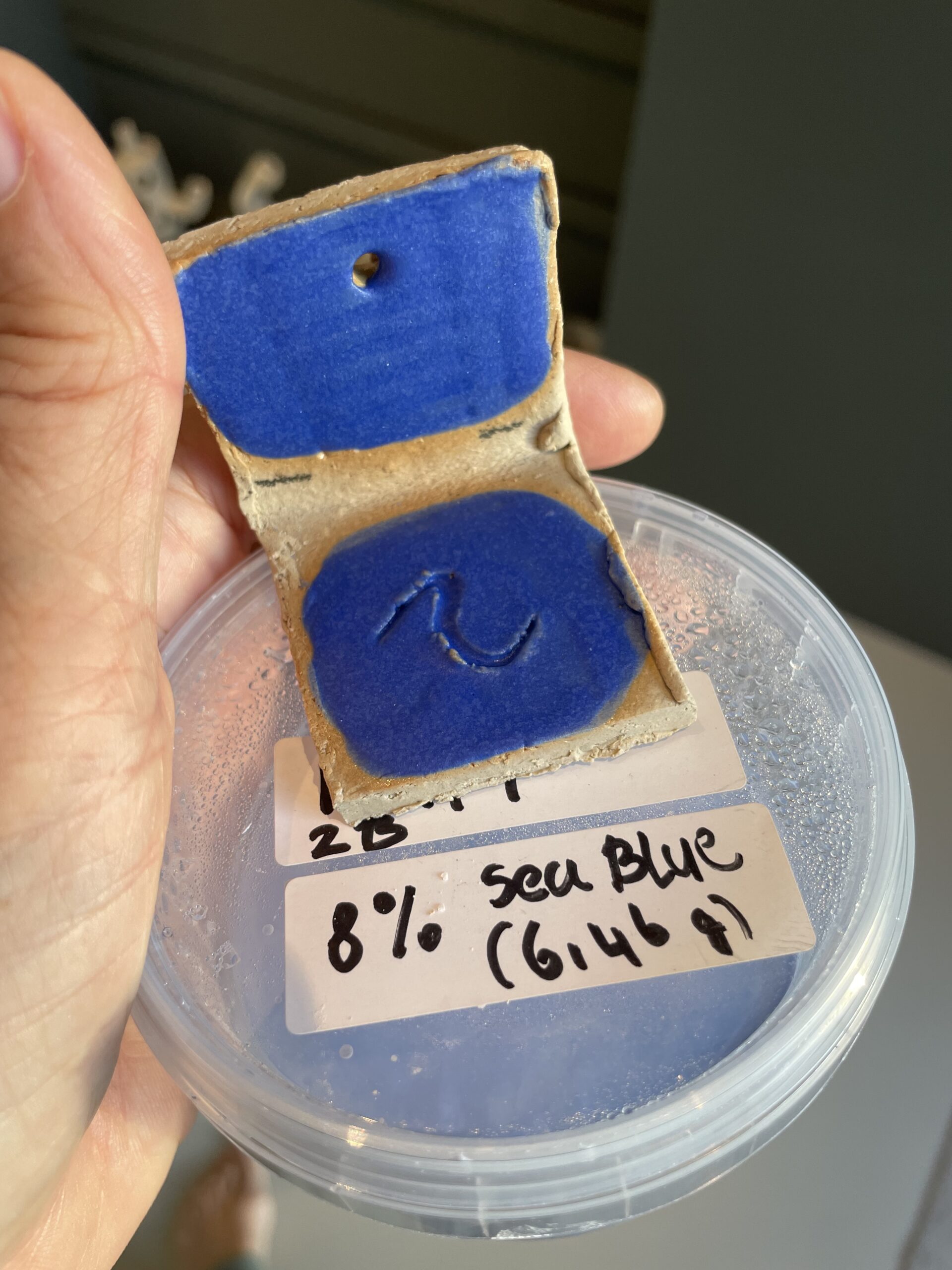
You only need a very small amount of cobalt to get these vibrant colors. The two on the right are from commercial stains (Silex) called Sea Blue.
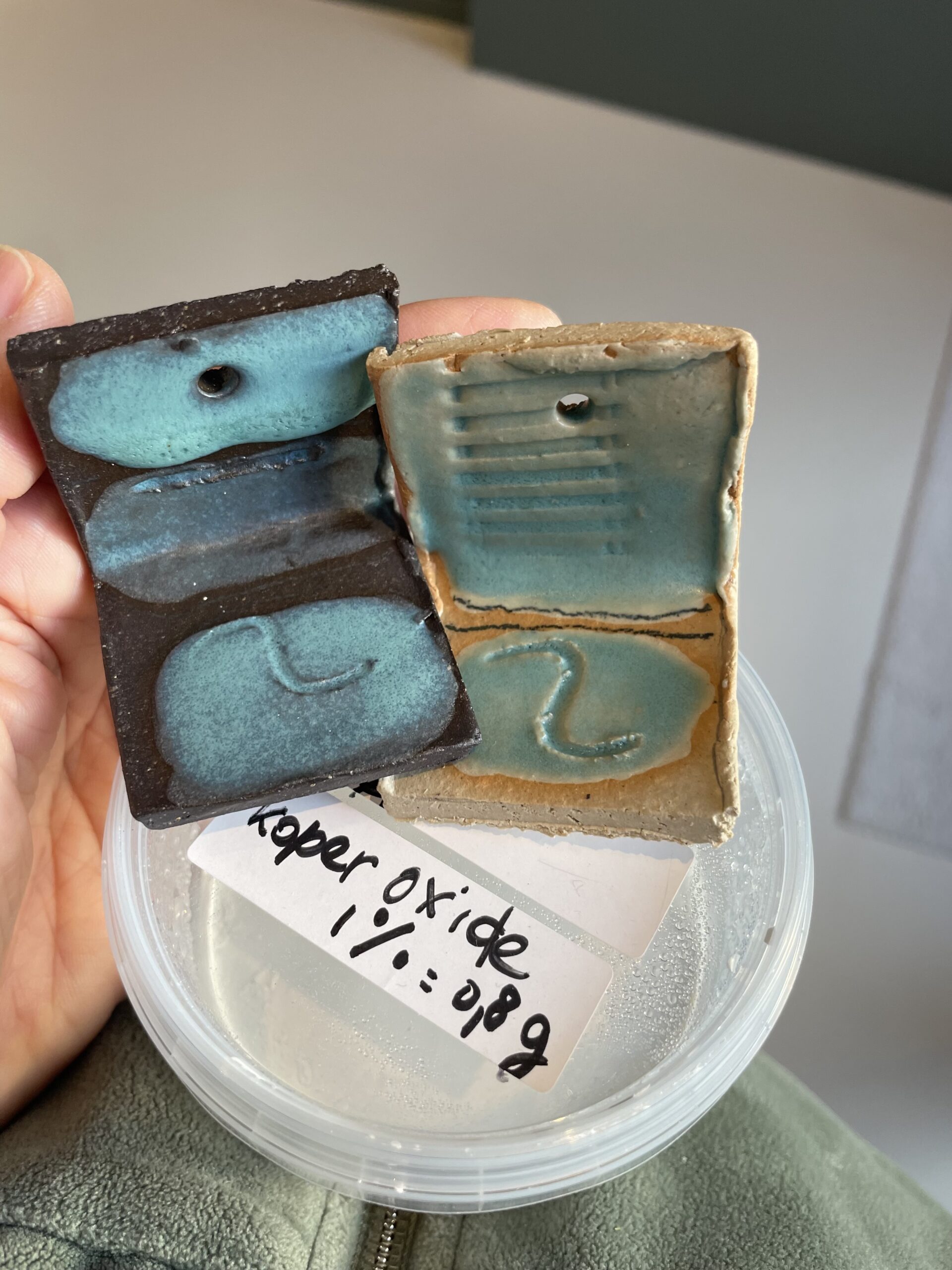
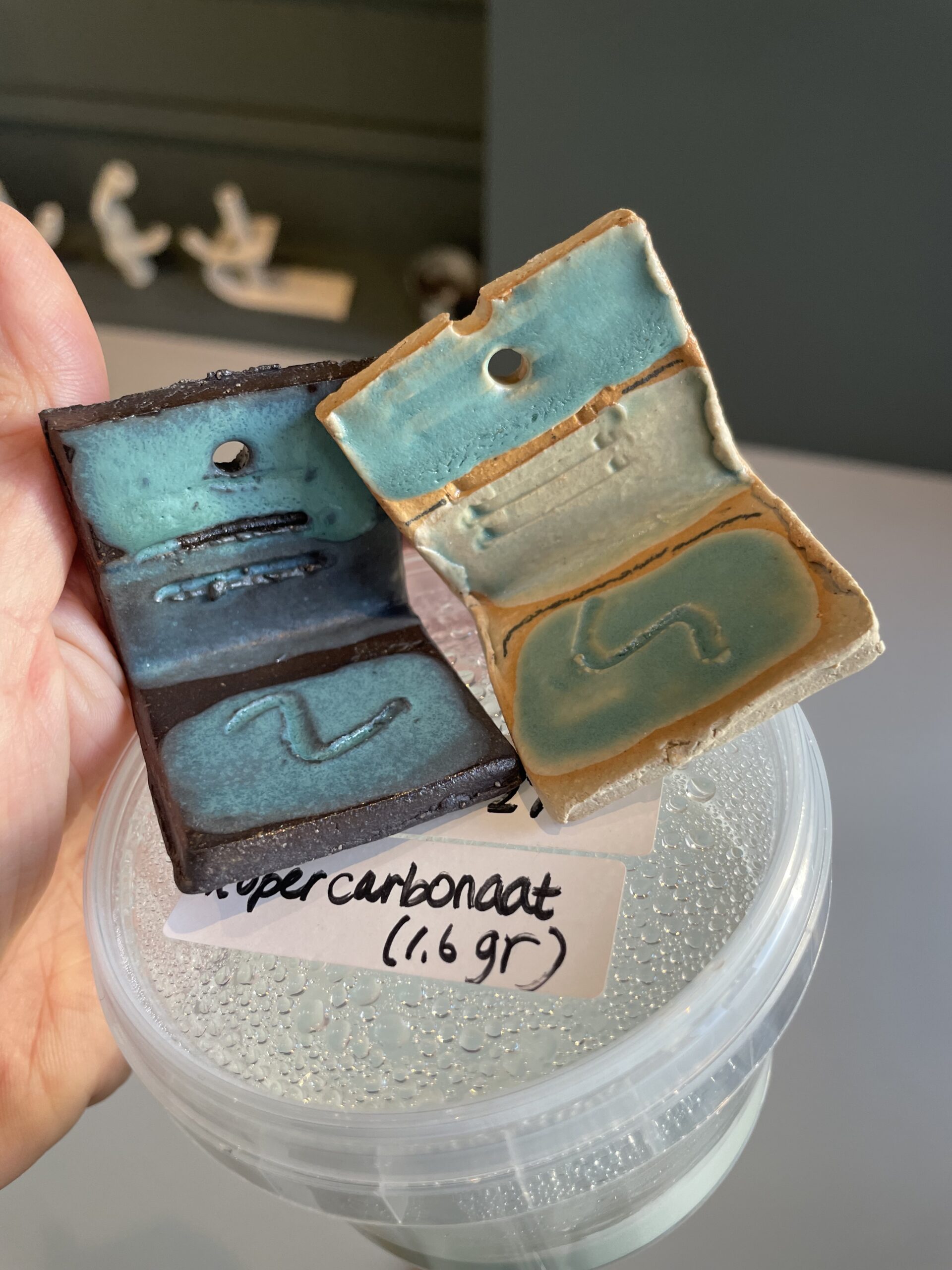
Here are some tests withcopper oxide and copper carbonate.  It even holds it’s colour on dark clay body.

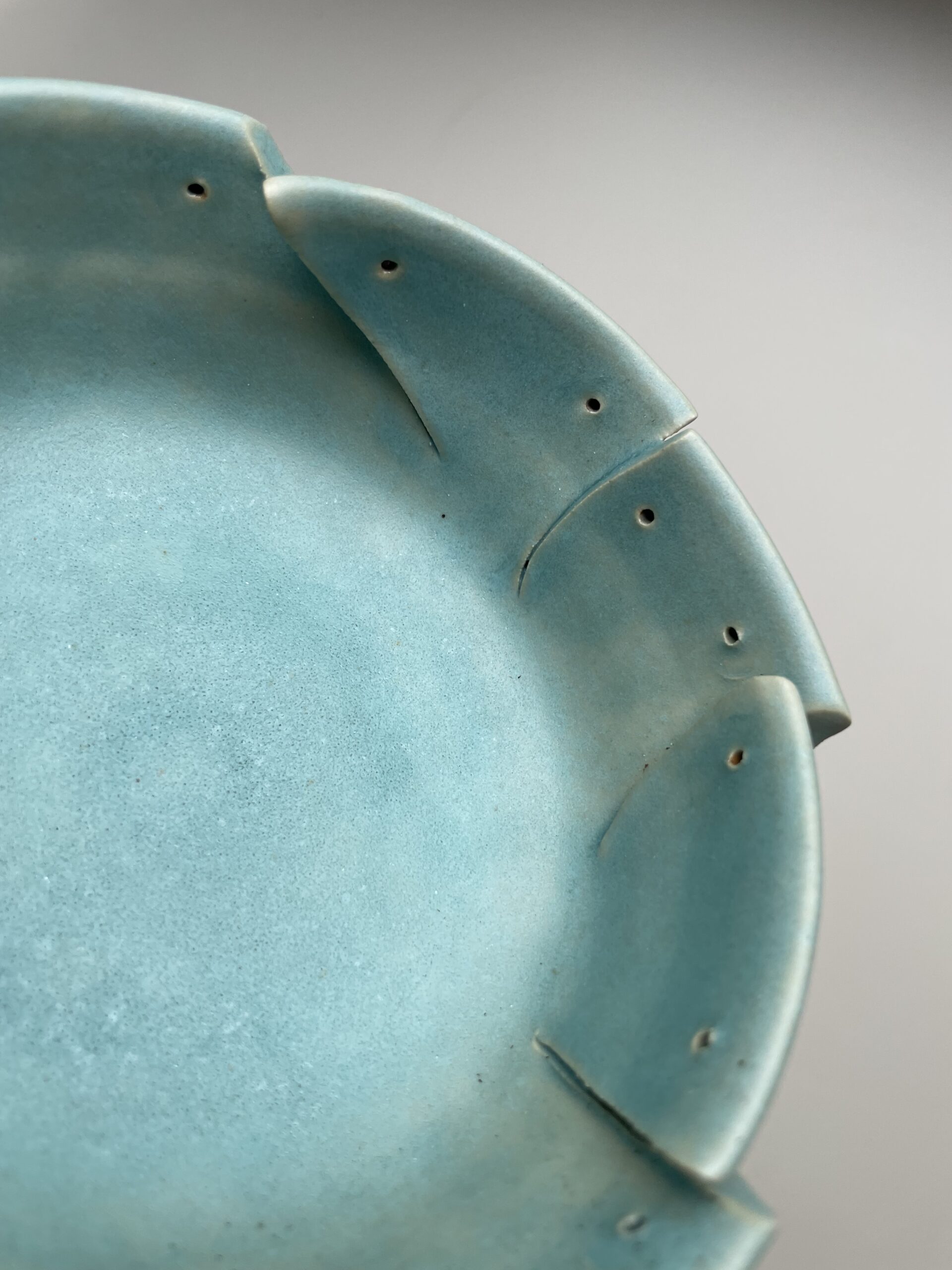
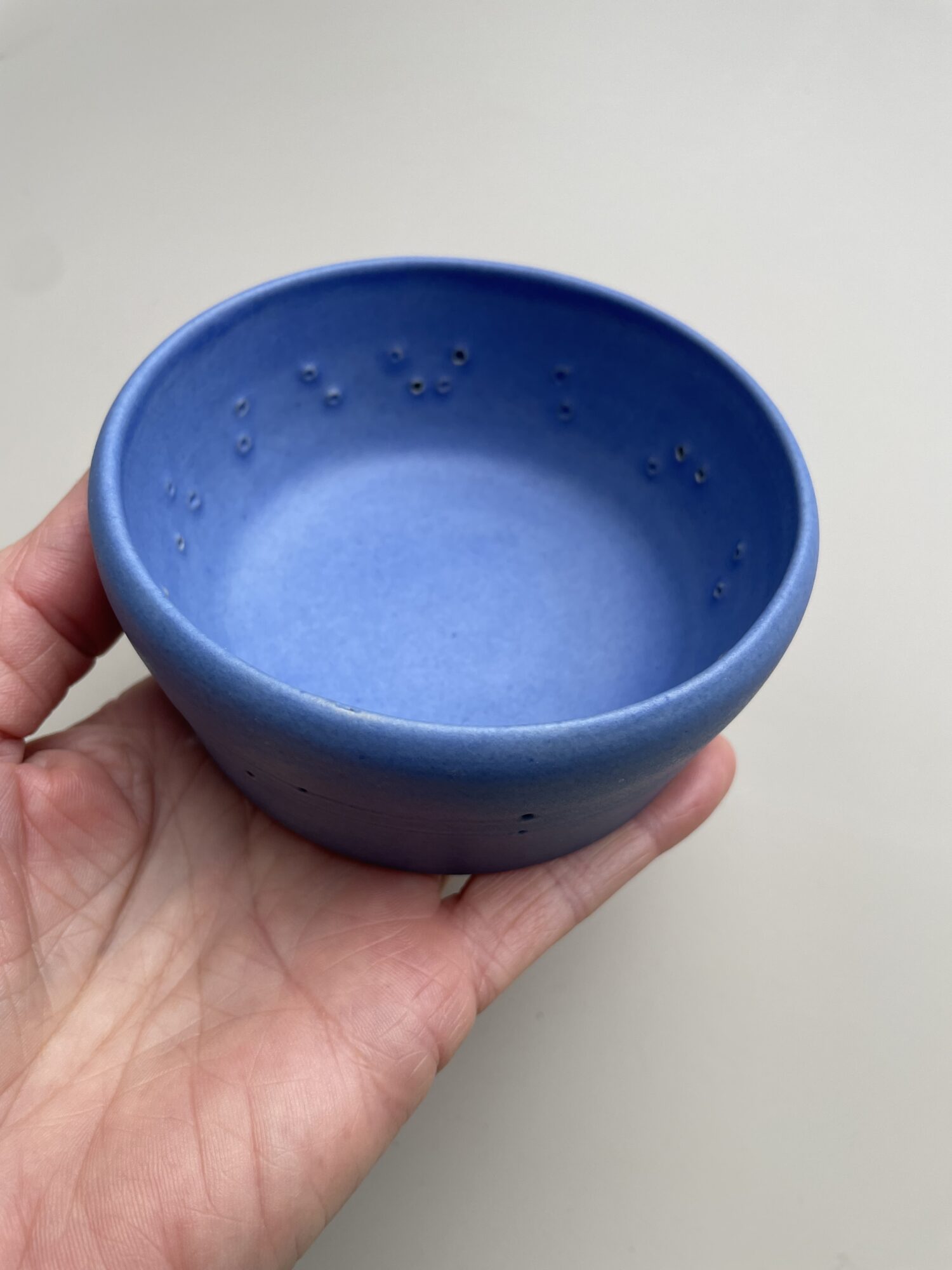
The results on a small bowl

Ceramic art by Stephan Frank and Inge Vlugter